From Scrap to
Stacked & Ready
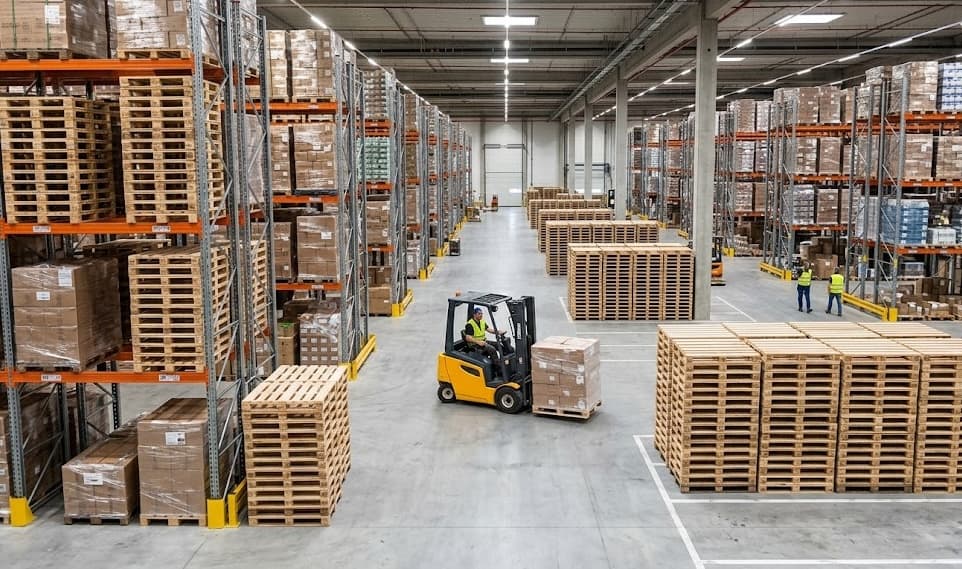
Phoenix Pallet Recycling connects you with partner suppliers that buy, sell, recycle, and repair wood pallets. Reusing a pallet avoids building a new one and keeps usable wood in circulation.
Tell Us What You Need
Whether you're looking to buy recycled pallets, sell your surplus, or need repair and recycling services, fill out the form. Your request is passed to partner suppliers, and a partner supplier follows up with you.
Pallet Services Through Partner Suppliers
From recycling and repair to custom pallets and transportation, partner suppliers can quote on many parts of the pallet lifecycle. Availability depends on the supplier.
Recycle Pallets in Phoenix
Request pallet recycling, buyback, and repair through partner suppliers serving Phoenix and the Valley.
Learn moreBuy & Sell
Looking for pallets, or have surplus to sell? Request a quote and partner suppliers can respond with options by grade and size.
Learn moreRepair & Refurbish
Repairing a damaged pallet can extend its life. Ask partner suppliers about repair and refurbishing options.
Learn moreTransportation
Pickup and delivery of pallets may be available through partner suppliers in Phoenix and the Valley.
Learn moreCustom Solutions
Need a non-standard size or specialty pallet? Some partner suppliers can quote custom-built pallets.
Learn moreAccessories
Pallet collars, covers, dunnage, and related accessories. Learn what they are and ask suppliers what is available.
Learn moreWhy Reused Pallets
Are Worth Considering
Wood pallets are built to be reused, and many can be repaired more than once. Reusing a pallet avoids building a new one, and wood that can't be repaired can often be ground into mulch or fuel, depending on the recycler. Reused pallets also often cost less than new, so it is worth asking for a quote to compare.
- Reused pallets often cost less than new; ask for a quote to compare
- Reusing a pallet avoids building a new one
- Repaired pallets suit many standard loads; confirm with the supplier
- Unrepairable wood can often be ground into mulch or fuel
- Heat-treated pallets for export (ISPM 15) are available from some suppliers
Collection
Used pallets are collected, where a partner supplier offers pickup
Inspection
Recyclers typically sort and grade pallets
Repair
Damaged pallets are commonly repaired
Redistribution
Reusable pallets go back into circulation
Find Your Perfect Pallet
How It Works
Phoenix Pallet Recycling takes your request and passes it to partner suppliers. The process is straightforward, and the quote request is free and no-obligation.
Send a Request
Fill out the quote form. Tell us about your pallet needs: volume, sizes, condition, and timeline. A partner supplier follows up with you.
Supplier Reviews Your Needs
A partner supplier reviews your requirements, such as industry, shipping frequency, load weights, and budget, and can suggest a pallet grade and quantity to quote.
Quote, Pickup & Delivery
If you accept a quote, the partner supplier arranges pickup of your used pallets or delivery of recycled ones where available. Pricing and scheduling are set by the supplier.
Repeat Orders
If you need pallets regularly, tell the supplier about your volumes. Whether recurring pickup or delivery is available depends on the partner supplier.
Pallet Supply for
Phoenix and the Valley
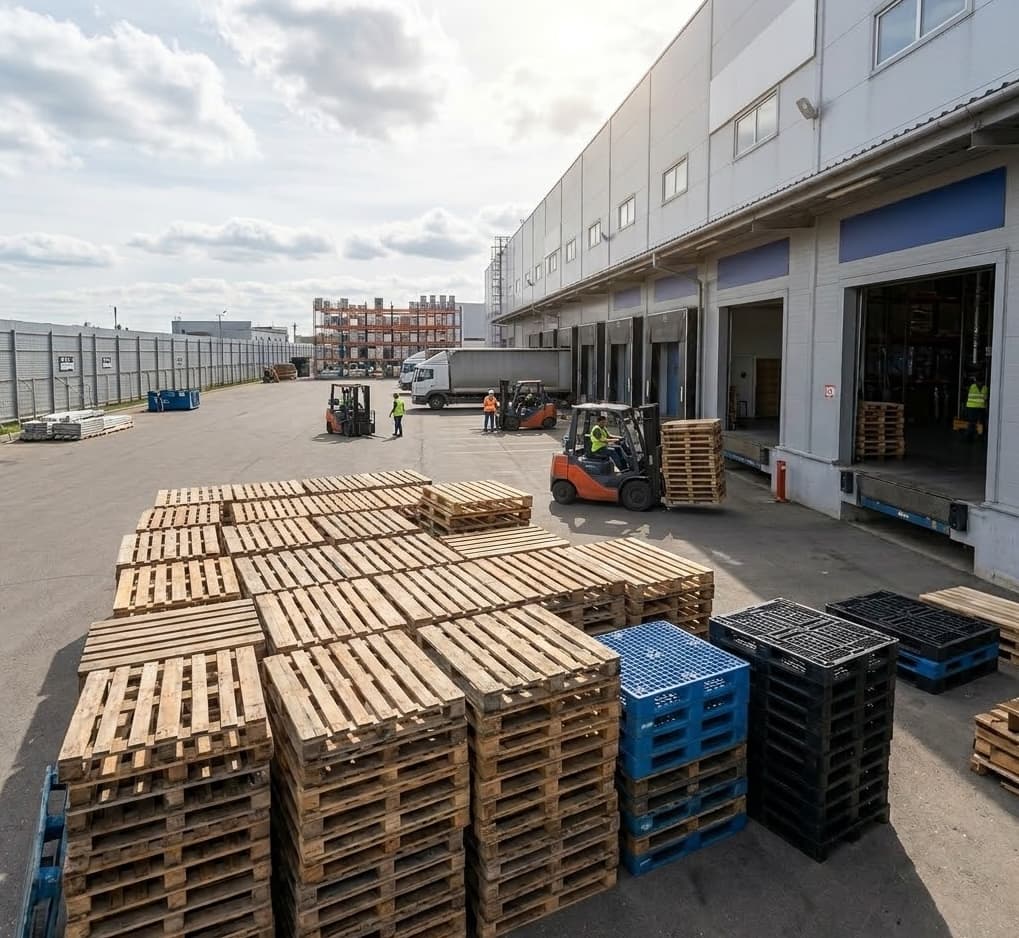
Phoenix sits at the crossroads of I-10, I-17, and the Loop 202, with warehouses and distribution centers throughout the Valley. Pallet recyclers in a metro like this typically run sorting areas, repair benches, and lumber storage, and may operate trucks for pickup and delivery.
Phoenix Pallet Recycling does not operate a yard or trucks itself. Send a request through the form and it is passed to partner suppliers, which decide what they can offer for your location, quantities, and grades.
Request a Quote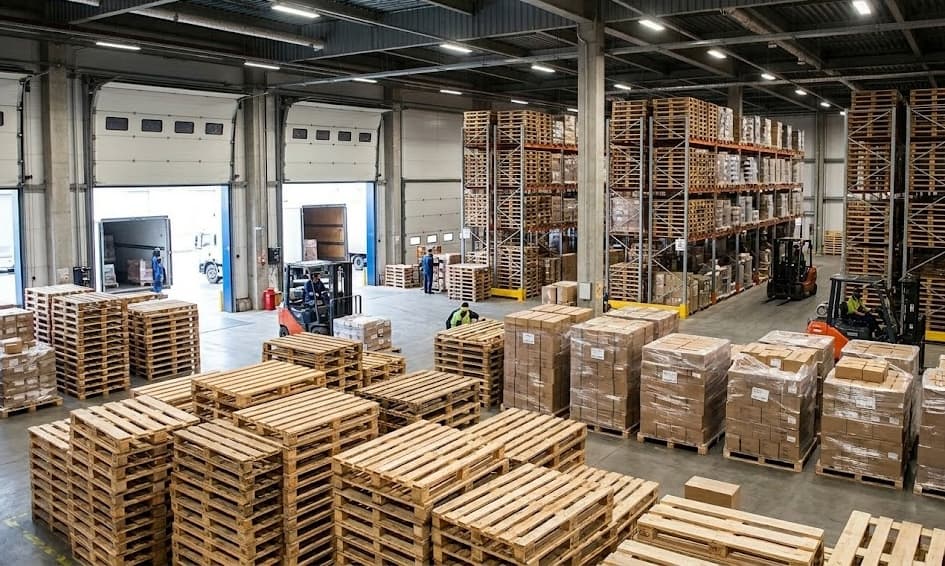
New vs. Recycled Pallets
Reused pallets often cost less than new, depending on grade, size, and supplier. Here is how the grades are commonly described. Ask for a quote to compare.
New Pallet
Built from new lumber
Pricing by quote
Brand-new construction from fresh-cut lumber. Typically the highest-cost option, and a fit when a spec or export requirement calls for it.
Grade A (Recycled)
Like-new condition
Pricing by quote
Commonly described as having minimal cosmetic wear, with no broken boards or protruding nails. Often a good value for many operations.
Grade B
Light cosmetic wear
Pricing by quote
Commonly described as having staining or minor board repairs. Often used for single-use shipments or internal warehousing.
Grade C
Visible repairs
Pricing by quote
Commonly described as an economy grade with visible repairs. Often used for ground-level storage, one-way shipping, or places where appearance doesn't matter.
Tip: There is no single legal grade definition, so ask each supplier what its grade means. Requesting quotes on more than one grade is an easy way to compare.
Good to Know About Pallets
A few general points about wood pallets that can help when you are comparing options and talking to suppliers.
Wood pallets are one of the most common ways to move goods, which is why used and recycled pallets are widely available in most metro areas.
A well-built wood pallet can often be repaired and put back into service more than once before the wood is finally converted into mulch or fuel.
The 48x40 GMA pallet is the most common size in North America, and 42x42, 48x48, and Euro pallets cover many other needs. See the size guide for details.
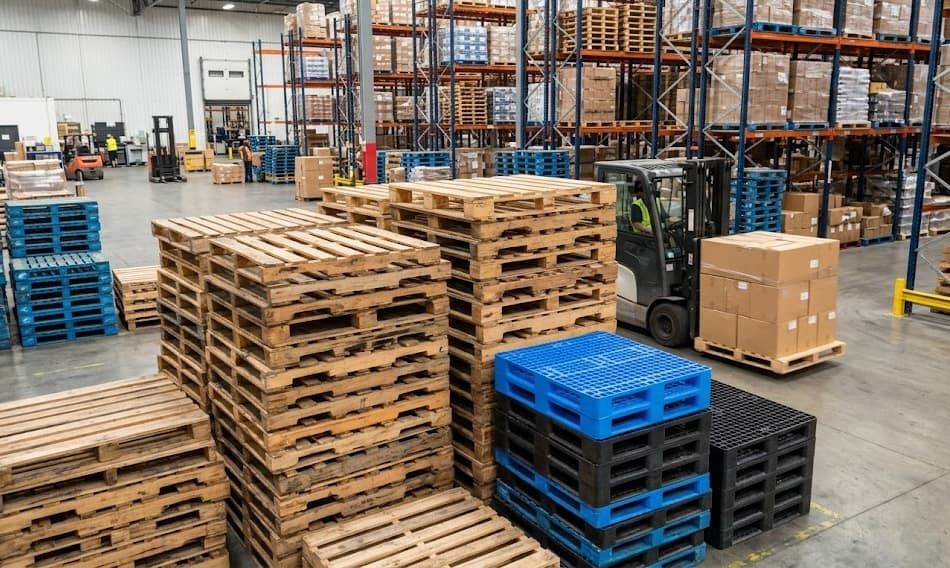
Stringer pallets are common and economical, while block pallets allow four-way forklift entry. Ask a supplier which style fits your equipment.
Replacing a few broken boards is often enough to return a damaged pallet to use, which avoids building a new one.
Grade A, B, and C are commonly used descriptions, not a single legal standard. Ask each supplier what its grades mean.
Pallets for international shipping must be treated under ISPM 15, such as heat to 56 °C at the core for 30 minutes, and carry the IPPC mark.
Wood that can't be repaired can often be ground into mulch or fuel, depending on the recycler, rather than going to a landfill.
Latest from the Blog
Industry insights, sustainability tips, and practical guides to help you make smarter decisions about pallets and supply chain efficiency.
How Automated Sorting Technology Is Changing the Pallet Industry
AI grading systems, optical sorting, and conveyor automation are changing how some recyclers process pallets, with the aim of improving consistency and reducing manual labor.
Pallet Safety: Workplace Best Practices Every Manager Should Follow
General guidance on pallet inspection, stacking, forklift handling, and injury prevention. Follow your own safety program and applicable rules.
Pallet Disposal Options Beyond the Landfill: Recycle, Repurpose, or Sell
Don't trash your old pallets. Explore recycling, repurposing, surplus selling, donation channels, mulching, and biomass energy conversion.
Requests from Across the Phoenix Metro
Phoenix Pallet Recycling takes pallet requests from businesses across the Valley of the Sun. Availability for pickup, delivery, and recycling depends on partner suppliers.
Phoenix
Arizona's densest concentration of warehouses, distribution centers, and manufacturing plants, especially along the I-17 and I-10 corridors.
Scottsdale
Scottsdale's hospitality and retail sectors and the Scottsdale Airpark business district all move goods on pallets.
Tempe
Tempe's light-industrial zone near the 60 freeway supports e-commerce fulfillment, distribution, and light manufacturing.
Mesa
Mesa's industrial areas include manufacturing, aerospace-related work, and food processing, all of which use pallets.
Chandler
Chandler's Price Road corridor and surrounding business parks host technology and manufacturing operations that ship and receive on pallets.
Gilbert
Gilbert's commercial and industrial zones support food processing, retail distribution, and logistics operations.
Glendale
Glendale combines retail and commercial areas with a growing logistics sector along the 101 and I-10.
Peoria
Peoria's industrial parks along the 101 support manufacturing, food distribution, and third-party logistics providers.
Surprise
Commercial growth in Surprise has brought distribution and retail operations that go through pallets regularly.
Goodyear
Goodyear's industrial areas and fulfillment centers along I-10 make this West Valley city a logistics hub.
Avondale
Avondale's position on the I-10 corridor suits regional distribution, cold storage, and manufacturing.
Buckeye
Buckeye's newer industrial developments and distribution parks add to demand for pallet supply and recycling in the far West Valley.
Don't see your city listed? Requests are welcome from across Maricopa County. Send a request and a partner supplier can confirm availability at your location.
Frequently Asked Questions
Can I buy and sell pallets with the same supplier?
Often, yes. Many pallet recyclers both buy used pallets and sell recycled ones. Mention both in your request and a partner supplier can say what it can offer.
How is pallet pickup or delivery scheduled?
Scheduling is handled by the partner supplier that follows up on your request. Pickup and delivery may be available depending on your location and quantities.
What pallet grades and sizes can I ask about?
You can ask about Grade A, Grade B, combo, and custom sizes, including 48x40 GMA, 42x42, 48x48, and Euro. Availability depends on the partner supplier.
Can I get heat-treated or export-ready pallets?
Some suppliers can provide pallets treated under ISPM 15, which requires treatment such as heat to 56 °C at the core for 30 minutes and the IPPC mark. Mention export needs in your request.
Is recurring pickup or delivery available?
That depends on the partner supplier. If you need regular service, include your expected volumes in your request and ask the supplier what it can set up.